What Seattle transplants notice first about Tulsa: sunshine, housing costs, commute times, and the tradeoffs nobody warns you about.
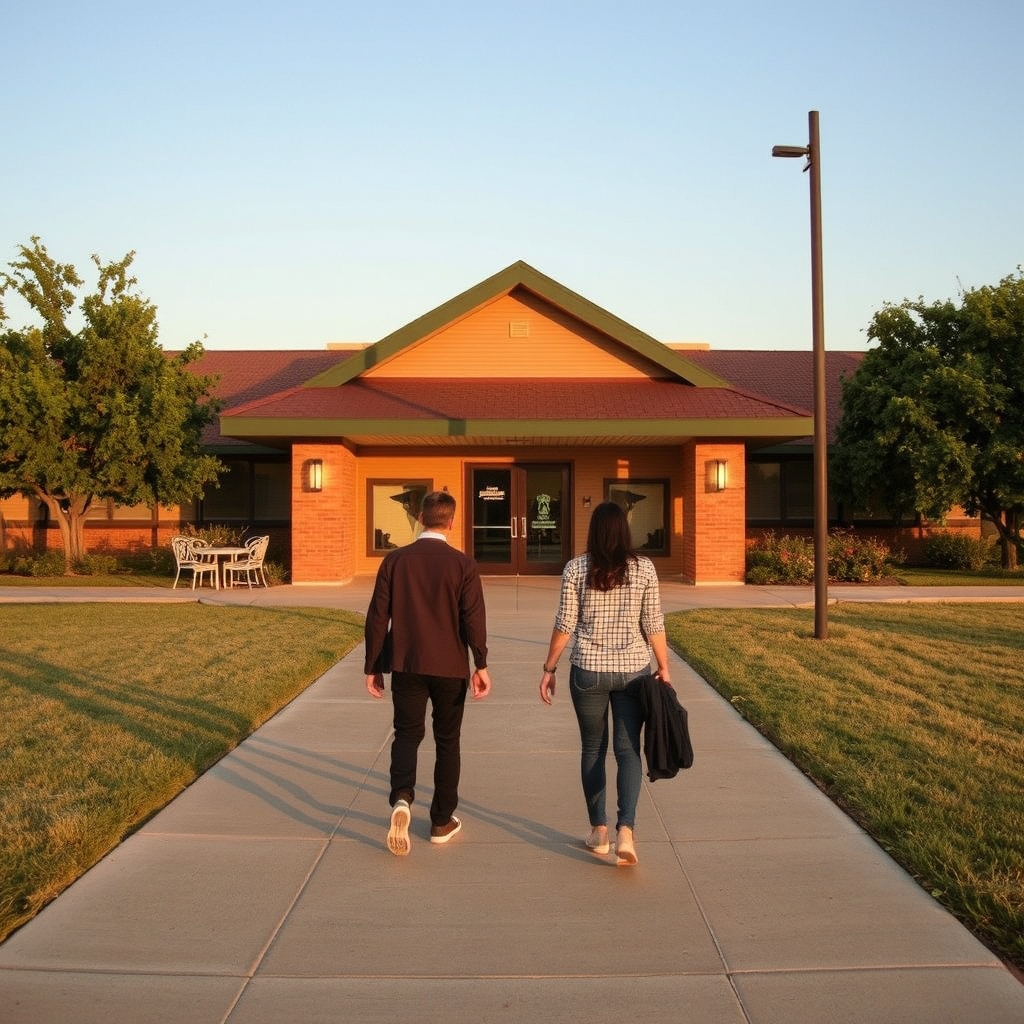
There is a particular moment that nearly every Seattle transplant describes in the same way: you step outside on a Tuesday morning in March, coffee in hand, and the sun is already warm on your face, the sky an uncomplicated, uninterrupted blue, and something in your shoulders that you did not even know was tense simply lets go. That moment, quiet and ordinary as it is, tends to mark the beginning of a genuine reckoning with what you have left behind and, more importantly, what you have found. Tulsa is not Seattle, and it does not try to be, and if you give it a little time and a little grace, that distinction will start to feel less like a loss and more like a gift.
The Sky Is Different Here, and So Is Your Bank Account
Seattle's famously grey winters are not merely a cliche. The National Weather Service in Tulsa records the city receiving well over 200 sunny days per year, a figure that reads almost like fiction to someone who has spent years layering up in the Pacific Northwest's perpetual overcast. You will notice the light first, then the warmth, and eventually the way the seasons here actually announce themselves with some drama and ceremony. Spring arrives with conviction. Autumn turns the old trees along Riverside Drive into something genuinely spectacular.
But the change that tends to reorganize a Seattle transplant's entire sense of possibility is the one that shows up in housing. Tulsa's cost of living runs roughly 14 percent below the national average, and nowhere is that more legible than in what your money buys in real estate. The homes that were entirely out of reach in Seattle's market, the ones with a yard and a proper dining room and a garage, are available here in the upper two hundreds to the low three hundreds of thousands, depending on the neighborhood and condition. If you use the Tulsa County Assessor's search tools before you visit, you can browse assessed values by address and start to get a feel for what the market actually looks like before a single showing.
In Tulsa, the life you were always working toward in Seattle is often simply the life people here live on a Wednesday.
For those who work remotely, there is an additional layer of welcome worth knowing about. Tulsa Remote offers a $10,000 grant to approved remote workers who relocate to the city, and the program comes with a genuine community of fellow transplants who are asking the same questions you are. Many Seattle arrivals find that this network becomes one of their first and most meaningful points of connection in a new city.
Where You Land Matters: Getting to Know the Neighborhoods
Seattle transplants sometimes arrive expecting Tulsa to feel sprawling and featureless, and they are consistently surprised by how much personality its distinct areas carry. Midtown is where you will find the tree-lined streets and the handsome older bungalows and craftsman houses that feel immediately livable. Brookside, running along Peoria Avenue, has the neighborhood coffee shops and independent restaurants and the kind of unhurried Saturday-morning energy that Seattle's Capitol Hill used to have before everything changed. If you are arriving with children or planning to, the southern suburbs of Jenks and Bixby offer award-winning school districts and newer construction at prices that still tend to astonish people coming from the Pacific Northwest. Jenks Public Schools and Bixby Public Schools both carry strong reputations, and for a fuller picture of how districts stack up, the Oklahoma School Report Card is a genuinely useful starting point. You can read a more personal account of the tradeoffs in our guide to raising kids in Tulsa.
Owasso to the north draws families who want newer neighborhoods with a quieter pace, while downtown Tulsa has been quietly accumulating energy over the past decade, with the renovation of historic art deco buildings and a growing collection of restaurants and galleries. And then there is the Gathering Place, the 100-acre park along the Arkansas River that has become, since its opening, the kind of civic anchor that cities spend generations trying to create. The Gathering Place is free and open to the public, and on a weekend afternoon it contains a cross-section of the city that will help you understand, faster than almost anything else, what Tulsa actually feels like from the inside.
The Commute You Stop Dreading
One of the quieter adjustments Seattle transplants describe is the simple fact of getting somewhere in a reasonable amount of time. The commutes that consumed forty-five minutes to an hour and a half each way in the greater Seattle area tend to compress dramatically here. Many Tulsans travel from one side of the metro to the other in twenty minutes. This is not a minor quality-of-life adjustment; it is the kind of change that gives you back a substantial portion of your day, your week, your year, and what people tend to do with that time is cook dinner at home, spend evenings on the porch, and actually see their families.
If you are arriving with a dog, the additional space and the accessibility of the city's parks and outdoor areas will be immediately apparent. Our Tulsa Pet Owner's Guide covers the dog parks, the welcoming neighborhoods, and the veterinary community in detail, because this is a city that tends to be genuinely friendly to four-legged newcomers.
The Tradeoffs Nobody Warns You About
It would not be honest or kind to welcome you to Tulsa without acknowledging the adjustments that take a little longer. The public transit network here is not Seattle's, and if you arrive without a car you will want to arrange that before almost anything else. The food scene, while genuinely good and growing more interesting each year, has a different character than Seattle's, and the particular combination of Pacific Rim influences and farmers market culture you may have taken for granted will require some searching and some substitution.
The summers are serious. Not unpleasant, but serious, and the heat of July and August asks something of you that Seattle's temperate summers never did. The spring brings its own considerations, and if you are purchasing a home, it is worth reviewing flood zone information through the FEMA Flood Map Service Center before you make any decisions, particularly near the river corridors.
And yet, the people who make this move with open eyes and a little patience tend to settle into something that feels less like compromise and more like arrival. The cost of living is real. The sunshine is real. The neighborhood where you can actually afford the house with the yard and the porch swing is real. Tulsa extends its welcome generously, and it tends to be the kind of city that rewards those who lean into it rather than comparing it to somewhere else. Give it that chance, and you may find yourself, one Tuesday morning, standing in the sun, simply glad you came.
Keep exploring the full collection of Tulsa guides.