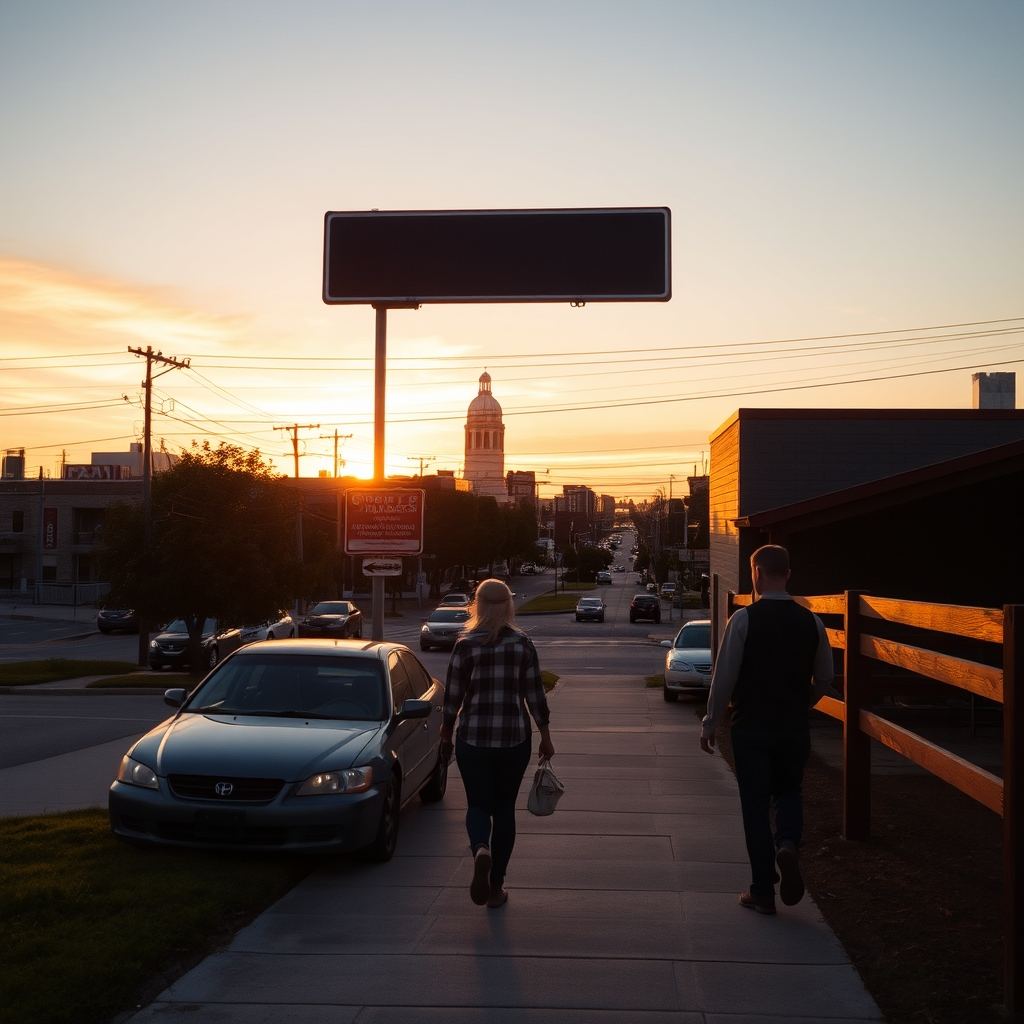
Weather, cost, ocean withdrawal and housing space: an honest comparison for Southern California transplants.
There is a particular kind of courage it takes to leave the Pacific, and if you have made it this far, reading a relocation guide for a city planted squarely in the middle of the American continent, then something has already shifted inside you. Perhaps the rent finally became untenable, or a job offer arrived like an unexpected gift, or someone you love already calls Tulsa home. Whatever drew you here, you deserve a clear-eyed, generous account of what awaits you, and that is precisely what this guide intends to offer. Tulsa is a city that rewards the curious and the open-hearted, and Southern Californians, with their particular appreciation for good weather, outdoor life, and a certain quality of ease, often find that it surprises them in the most welcome ways.
The Honest Conversation About Weather
Let us begin here, because it is almost certainly what your friends back in San Diego are asking about most. The truth is that Tulsa's climate is genuinely different from what you have known along the coast, and there is no gracious way to pretend otherwise. Summers are warm and humid in a way that San Diego's dry heat never quite prepared you for, with July temperatures regularly settling into the mid-nineties. Winters bring cold snaps, occasional ice storms, and yes, some snow, though Tulsa winters are milder than much of the country and far gentler than what your friends in Chicago endure. The National Weather Service office in Tulsa maintains excellent seasonal forecasts and storm resources that will help you feel informed rather than anxious as you settle in.
What genuinely delights most transplants from Southern California is Tulsa's spring and fall. These seasons arrive with a drama and beauty that the mild Pacific coast never quite produces. Autumn brings a canopy of color to the streets of Midtown and along the Arkansas River that you will want to photograph every single year. If you would like a thorough and honest account of what cold months actually feel like from someone who cares about your comfort, our guide on what a Tulsa winter is really like will walk you through it with warmth and specificity.
Tulsa does not ask you to forget the ocean. It simply offers you something equally generous in return.
The Cost of Living, and What It Actually Means for Your Life
This is where the numbers begin to feel almost disorienting if you have been paying San Diego rents. Tulsa's cost of living runs approximately 14 percent below the national average, which means that the salary you negotiated, or the remote income you are carrying with you, stretches in ways that feel genuinely liberating. Groceries, dining out, utilities, and everyday expenses are all meaningfully lower, and the effect accumulates quickly into a kind of financial breathing room that many San Diego transplants describe as one of the first great pleasures of their new life.
Housing, in particular, is where the difference becomes most vivid. In Tulsa, a well-maintained four-bedroom home in a lovely neighborhood, with a backyard and a two-car garage, typically falls somewhere in the upper $200s to around $300,000, depending on the area and the finishes. You can verify current assessed values and property records directly through the Tulsa County Assessor, which is a genuinely useful tool as you begin comparing neighborhoods. For many people arriving from San Diego, where that same budget might secure a modest condominium, the sensation of purchasing a full house with a yard and a neighborhood of genuine character can feel quietly extraordinary.
If you are working remotely, you may also qualify for the Tulsa Remote program, which offers a $10,000 grant to remote workers who relocate and commit to living in Tulsa for at least a year. It is a genuinely welcoming gesture from a city that understands it is competing for talented people and wants them to feel invited.
The Neighborhoods, and Finding Where You Belong
Tulsa is a city of distinct and lovable neighborhoods, and part of the pleasure of arriving is discovering which one feels most like you. Midtown is leafy and established, with craftsman bungalows, mature trees, and a walkable sensibility that appeals to people who loved older urban neighborhoods in California. Brookside, which runs along Peoria Avenue, has a lively dining and boutique scene with a neighborhood-block-party energy that feels warm and unpretentious. Downtown is experiencing a genuine renewal, with gallery spaces, restaurants, and new residential development that give it a lively, evolving character.
Beyond the city core, the suburbs each carry their own distinct personality and may offer exactly the right combination of school district, space, and community feel for your family. Jenks, Bixby, and Owasso are particularly popular with families relocating from out of state, and our guide to Tulsa's suburbs compared for newcomers will give you an honest, side-by-side picture of each one so you can arrive with confidence rather than guesswork.
Schools, Culture, and the Life You Are Building
If children are part of your picture, Tulsa's public school system offers real variety and quality. Tulsa Public Schools serves the city proper and includes magnet programs and specialized academies, while the suburban districts in Jenks, Bixby, Broken Arrow, and Owasso consistently earn strong reputations. You can review performance data and ratings for any Oklahoma school through the Oklahoma School Report Card, which makes the comparison process considerably easier when you are evaluating neighborhoods from a distance.
And then there is the cultural life, which tends to surprise people who arrive expecting a quieter, smaller version of what they left. The Gathering Place, a world-class park along the Arkansas River, is the kind of civic amenity that cities three times Tulsa's size spend decades hoping to build. It offers kayaking, climbing, gardens, and gathering spaces that bring the entire city together in ways that feel genuinely joyful. The arts scene, the food culture, and the genuine friendliness of the people you will meet at a dinner party or a neighborhood coffee shop all contribute to a quality of daily life that takes most transplants somewhat by surprise.
Arriving With Your Eyes Open
If you are considering making this move without a scouting trip first, you are far from alone, and it can absolutely be done thoughtfully. Our guide on buying sight unseen in Tulsa offers considered advice for exactly that situation, including how to work with local professionals who understand the particular needs of out-of-state buyers. The ocean will always be there for visits, and Tulsa will be here, steady and generous, ready to become home.
Keep exploring the full collection of Tulsa guides.