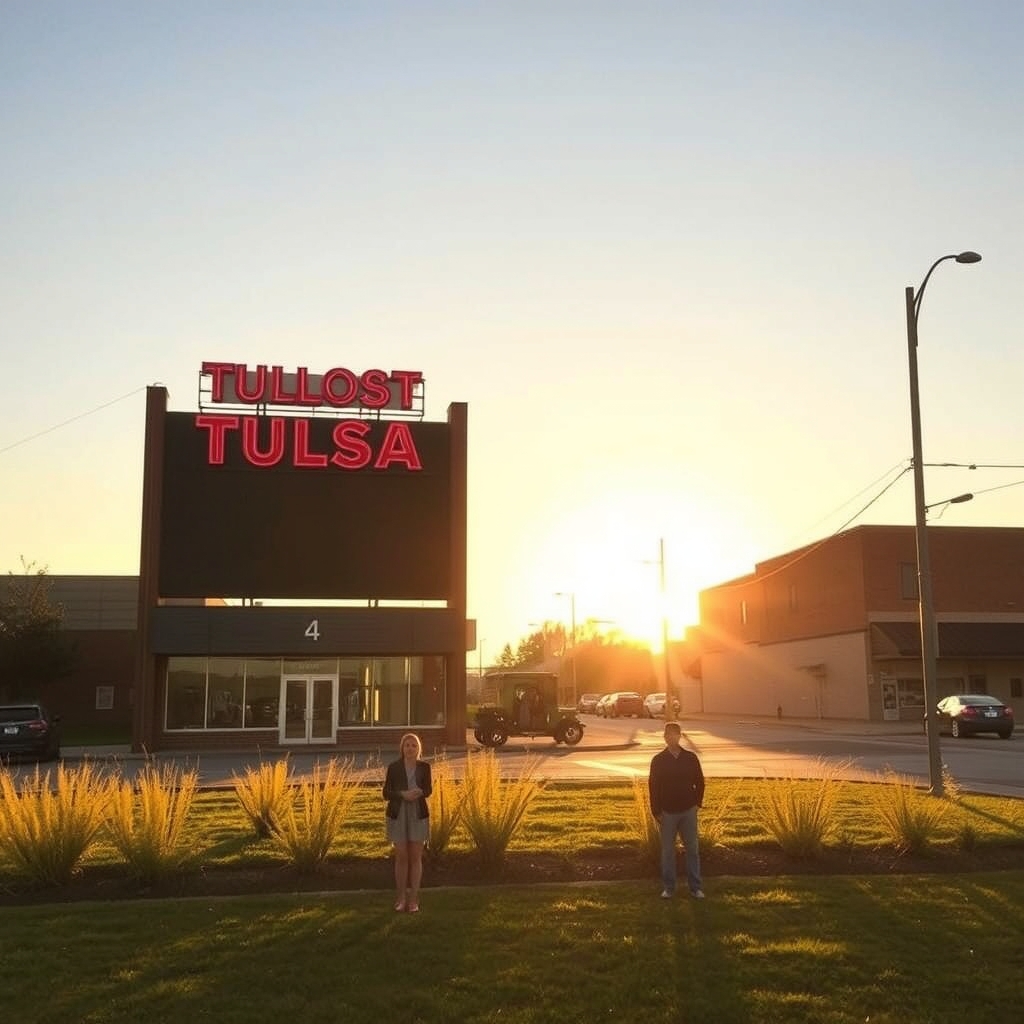
Austin got expensive. Tulsa offers similar creative energy at a fraction of the cost. Here is what the move actually looks like.
There is a moment that many Austinites describe with remarkable consistency: standing in the checkout line at a Tulsa grocery store for the first time, looking at the receipt, and quietly doing the math. The numbers simply do not add up the way they used to, and for once, that is a very good thing. If you have found your way to this page, you likely already sense that something interesting is happening in Tulsa, and you are wondering whether the move that once seemed improbable might actually be the most sensible decision you have made in years. Let us walk through it together, because the full picture is even more encouraging than the headlines suggest.
The Cost of Living Shift Is Real, and It Is Significant
Austin spent the better part of a decade becoming one of the most expensive cities in the American South, and the people who loved it most, the artists, the freelancers, the young families, the independent restaurateurs, often found themselves slowly squeezed to its edges. Tulsa tells a different story. The cost of living here runs roughly 14 percent below the national average, which means the financial breathing room you feel is not imaginary and not temporary. It shows up in your rent, your mortgage payment, your dinner out, your car insurance, and the quiet absence of that low-grade financial anxiety that becomes so normal in expensive cities that you forget it is there at all.
Housing is where the difference is felt most immediately. In Austin, the idea of purchasing a well-maintained home in a walkable, characterful neighborhood for around $300,000 had become a fond memory by the mid-2010s. In Tulsa, that budget opens doors to genuinely lovely homes in established Midtown neighborhoods, in the charming bungalow streets of Brookside, or in the family-oriented communities of south Tulsa. If your budget sits in the upper $200s, you are still looking at real options with yards and personality and good bones, rather than a compromise. For those renting while they get their bearings, the difference is equally striking.
Tulsa does not ask you to choose between a life well-lived and a life well-funded. Here, you are allowed to have both.
The Creative Energy You Were Afraid to Leave Behind
One of the quietest fears in any major relocation is the worry that you are trading something irreplaceable, the particular electricity of a city that feels alive with ideas and ambition, for something safer but smaller. It is a fair concern, and it deserves a genuine answer rather than a reassuring wave of the hand. What you will find in Tulsa is a creative community that is genuinely proud of itself without being self-congratulatory about it. The arts scene here carries real weight, anchored by the Philbrook Museum of Art, the Woody Guthrie Center, and a music history that runs deeper than most American cities twice its size.
The Gathering Place, a world-class riverfront park that stretches along the Arkansas River, has become something of a civic love letter to the idea that a city can be both ambitious and welcoming. You will find yourself there on a Saturday morning without quite planning it, watching families and runners and people with coffee cups and dogs, and feeling that particular thing that good cities do well: the sense that public life is still worth showing up for. The Brady Arts District and the East Village both hold gallery openings, live music, and the kind of independent restaurants that move to Austin when they outgrow somewhere else.
For those who work remotely, and many who make this move do, Tulsa has made a formal commitment to attracting exactly your demographic. The Tulsa Remote program has offered qualifying remote workers a $10,000 grant to relocate here, along with community programming and coworking resources designed to ease the transition and help you build a social network quickly. It is a rare thing for a city to say, plainly and generously, that it wants you here. To learn more about where that daily work life actually unfolds, our guide to the best coffee shops and coworking spaces in Tulsa will help you find your people and your preferred corner booth.
Choosing Where to Land: A Gentle Introduction to Tulsa's Neighborhoods
Tulsa rewards a little geographic curiosity, because the city is genuinely varied in its character from one pocket to the next. Midtown is where many transplants from creative, walkable cities feel immediately at home, with its tree-lined streets, excellent independent restaurants, and the kind of neighborhood density that makes it easy to walk somewhere worth going. Brookside, running along Peoria Avenue, has a particular warmth to it, full of boutiques and brunch spots and a longtime residents pride that makes newcomers feel quickly adopted rather than tolerated.
If you are arriving with children or planning for them, the communities of Bixby and Jenks to the south have built strong reputations for their schools and their quieter, more suburban pace, while still sitting close enough to downtown that a Thursday evening out does not require an expedition. Owasso to the north offers similar family-friendly appeal with its own distinct community identity. And downtown Tulsa itself, with its extraordinary Art Deco architecture and its growing restaurant and residential scene, continues to draw people who want the most urban version of this city that is available.
What the Practical Transition Actually Looks Like
Beyond the financial and cultural considerations, the physical act of moving from Austin to Tulsa is relatively manageable. The drive between the two cities runs somewhere around seven hours, which means a moving truck is entirely practical, that you can make a scouting trip or two before your lease ends, and that your Austin friendships do not feel like they require a flight to maintain. The transition carries less of the finality that long-distance moves sometimes carry.
The climate will be a genuine adjustment, and it is worth approaching it with open eyes rather than surprise. Tulsa summers are warm and humid in their own way, winters bring occasional ice and real cold, and the spring season arrives with a kind of theatrical enthusiasm that includes, yes, tornado awareness. Our year-round weather guide for newcomers will walk you through the seasons honestly, so that your first January does not catch you entirely unprepared. If you have been considering other comparisons, you might also find it useful to read about what the move from Denver looks like, as many of the lifestyle and financial themes rhyme closely with the Austin experience.
What Tulsa ultimately offers the Austin transplant is something quietly radical: the chance to live generously again. To afford the neighborhood you actually want. To support the local restaurant rather than calculating whether you can. To put money away and still say yes to the things that make a city worth living in. That trade is available to you here, and it is waiting with a warmth that will feel, very quickly, like home.
Keep exploring the full collection of Tulsa guides.