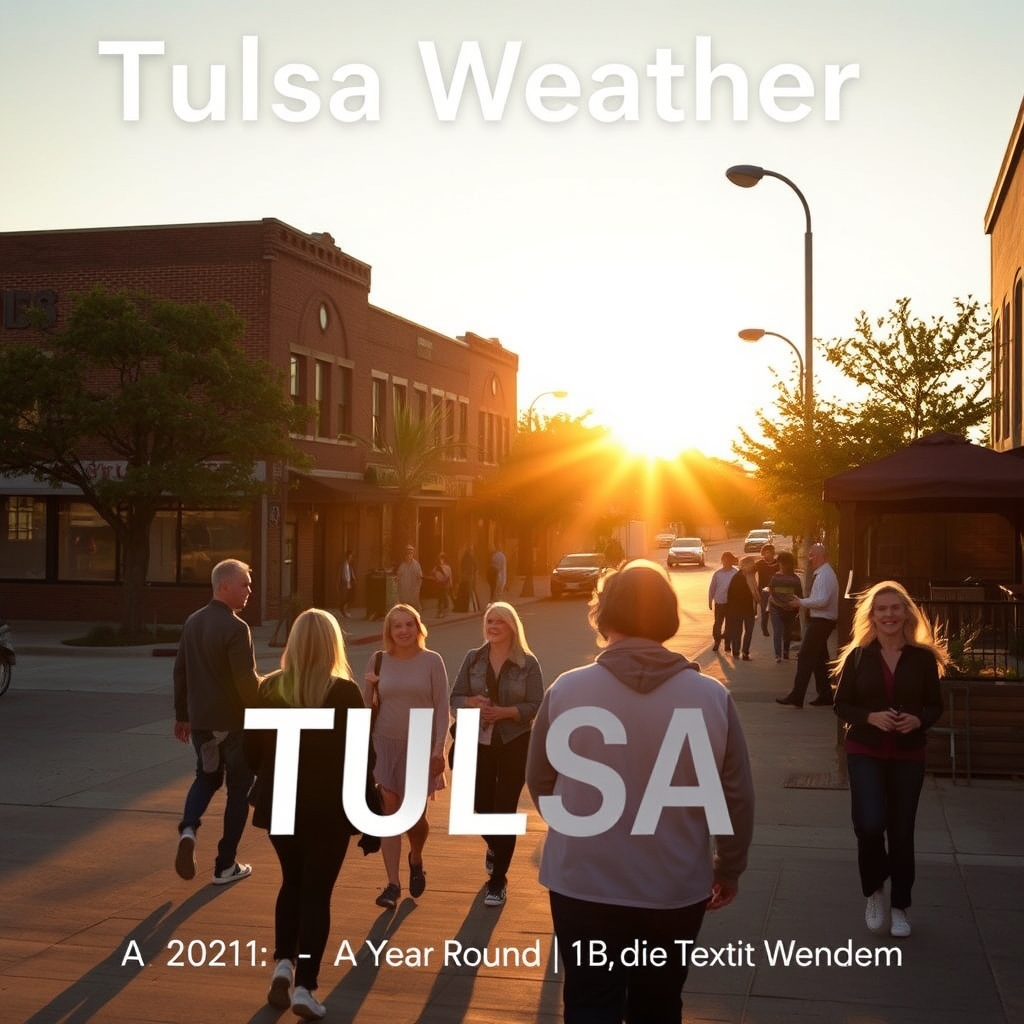
What to expect from Tulsa weather throughout the year. Tornado season tips, summer heat, mild winters, and how to prepare for Oklahoma storms.
There is something wonderfully honest about Tulsa weather, it never pretends to be anything other than exactly what it is, and once you learn to read its rhythms, you will find yourself genuinely at home in the seasons that roll across northeastern Oklahoma with a kind of theatrical generosity. The sky here is enormous, the light changes by the hour, and the same city that greets you with a golden October morning can treat you to a dramatic spring thunderstorm by afternoon. Coming prepared, with a little local knowledge tucked in your pocket, makes all the difference, and that is precisely what this guide is here to offer you.
The Shape of the Year
Tulsa sits in a climate zone that meteorologists describe as humid subtropical, which is a technical way of saying that you will experience four genuinely distinct seasons, each with its own personality and its own pleasures. Summers are warm and sunny, winters are mild by most northern standards, spring arrives with enthusiasm and occasionally with drama, and autumn earns a special devotion among longtime Tulsans who consider it the city's finest season. Understanding the arc of the year will help you dress right, plan well, and settle into the city's natural pace with confidence.
Spring: Beauty, Energy, and the Art of Storm Awareness
Spring in Tulsa begins to stir as early as late February, when the redbuds start blushing along the streets of Midtown and the trails at the Gathering Place begin to fill again with walkers and cyclists. By March the temperatures are climbing pleasantly into the 60s, and by April the city is genuinely lovely, with blooming trees and warm afternoons that make every neighborhood feel worth exploring on foot. If you have been dreaming of weekend mornings in Brookside or evening strolls through the eclectic streets near Kendall Whittier, spring delivers that dream in abundance.
And yet spring also brings the weather pattern that deserves your respectful attention: tornado season. Oklahoma sits squarely in the heart of Tornado Alley, and the months from March through early June are when conditions align most frequently for severe storms. This is not a reason to feel anxious, Tulsans live full, cheerful lives throughout spring, but it is a reason to be genuinely prepared. The single most important thing you can do is download the official NOAA Weather app as well as the Tulsa Emergency Management app before your first spring arrives, and make sure notifications are fully enabled on your phone.
Beyond your phone, identify the nearest storm shelter to your home and to your workplace. Many neighborhoods have community shelters, and if your new home does not have an interior safe room, a ground-floor interior bathroom or closet without windows is your best option during a tornado warning. Know the difference between a tornado watch, which means conditions are favorable, and a tornado warning, which means a tornado has been detected and you should seek shelter immediately. Your neighbors will be an excellent resource here, Tulsans take storm preparedness seriously and speak about it matter-of-factly, the way people in coastal cities talk about hurricane season.
Tulsa prepares you for its weather the way a good host prepares a guest for a new city, with honesty, warmth, and all the information you need to feel at ease.
Summer: Long, Warm Days and How to Embrace Them
Summer in Tulsa runs from roughly June through September, and it is warm with conviction. Daytime highs regularly reach into the low to mid 90s, and there are stretches in July and August when the thermometer climbs above 100 degrees Fahrenheit. The humidity is present but not as oppressive as in cities like Houston or New Orleans, which means the heat is manageable with reasonable precautions. Morning and evening become your friends, early walks along the Arkansas River, late suppers on the patios in Brookside, and long golden evenings that stretch past 8 p.m. in June.
Tulsans have developed a healthy relationship with their summers over generations. Air conditioning is universal and excellent, pools and splash pads are plentiful, and the Gathering Place offers shaded pavilions and waterfront breezes that make outdoor time genuinely pleasant even when temperatures climb. If you are relocating from a cooler climate, give yourself two or three weeks to acclimate before committing to midday outdoor activities, stay hydrated generously, and keep a light hat in your car as a matter of habit.
One quiet gift of a Tulsa summer is that the cost of enjoying the city remains very accessible. With a cost of living approximately 14 percent below the national average, cooling a comfortable home, dining out regularly, and filling weekends with local experiences all feel financially relaxed in a way that many newcomers find genuinely surprising. You can read more about the full picture in our guide to The Real Cost of Living in Tulsa.
Autumn: The Season That Wins Hearts
Ask a Tulsan about their favorite time of year and you will very likely hear the word October spoken with a certain reverence. Autumn arrives with cooler air in late September, and by mid-October the trees in neighborhoods like Maple Ridge, Midtown, and the hills above the Arkansas River are turning in earnest, filling the streets with amber and copper light that makes the whole city feel like a painting. Temperatures settle into the 60s and 70s during the day and cool evenings invite exactly the kind of slow, unhurried life that many people move to Tulsa to find.
Football season, farmers markets, festivals along the Brookside corridor, and the easy pleasures of Jenks and Bixby on weekends make autumn feel like a reward for getting through summer. If you are in the process of choosing a neighborhood, autumn is the ideal season to explore, and our guide to the Best Neighborhoods in Tulsa for Families offers a helpful starting point for that research.
Winter: Mild, Manageable, and Occasionally Surprising
Tulsa winters are genuinely mild compared to most of the country, with average highs in the 40s and 50s through December and January. Snow does fall, typically a few times per season, but it rarely accumulates beyond a few inches and usually melts within a day or two. What does merit attention is the occasional ice storm, which can make roads and sidewalks treacherous for a brief period. Keeping an ice scraper in your car, a small bag of sand or kitty litter for traction, and a modest emergency kit with water and a blanket will cover you comfortably for the full range of winter possibilities.
For those arriving from Texas or the deeper South, the winters here may feel slightly crisper than expected, and you will find our Moving to Tulsa from Dallas guide touches on exactly those kinds of adjustments with practical warmth. For everyone arriving with fresh eyes, know that Tulsa in winter has a quiet, intimate quality that rewards those who lean into it rather than simply waiting for spring.
What you will discover, across all four seasons, is that Tulsa's weather is simply part of the texture of the city's life, something its residents understand, prepare for thoughtfully, and ultimately embrace as a part of what makes this place feel genuinely alive. You are in good hands here, and the sky is always worth watching.
Keep exploring the full collection of Tulsa guides.